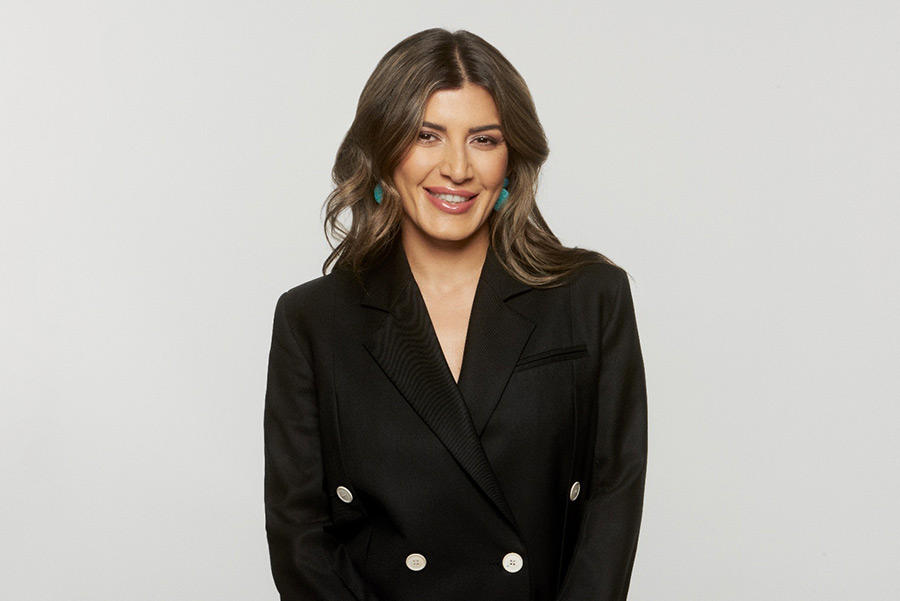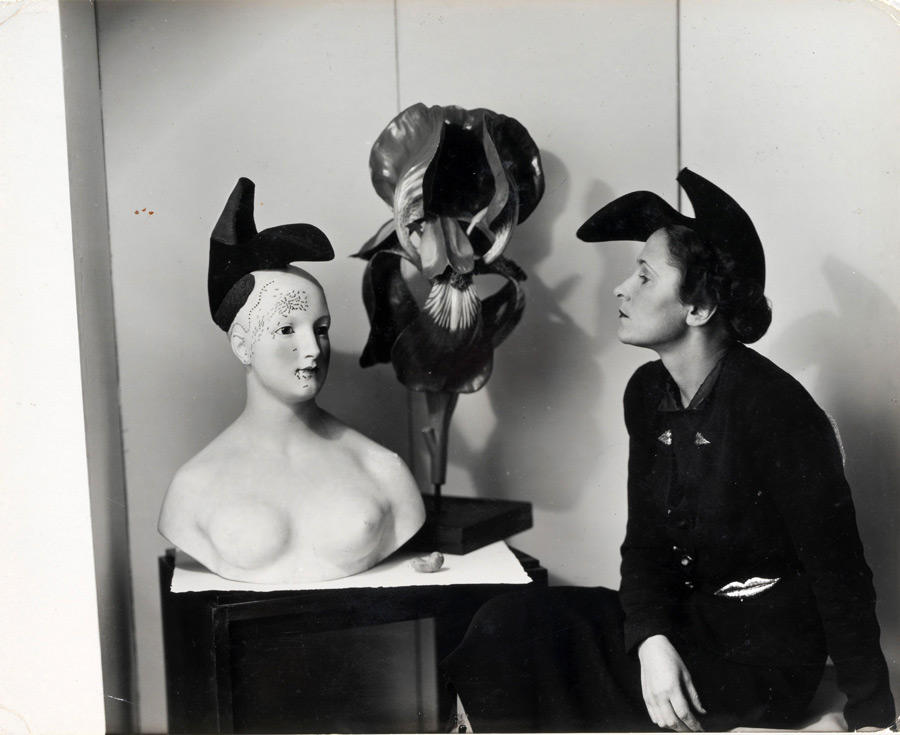
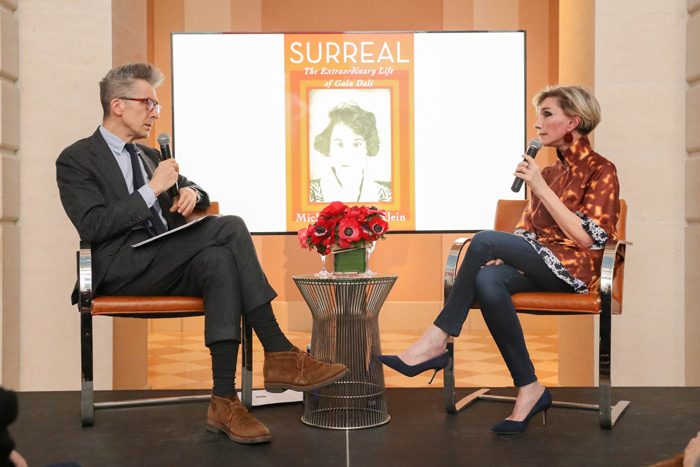
Earlier this month, Michèle Gerber Klein spoke with writer Michael Hainey about her new book, SURREAL: The Extraordinary Life of Gala Dalí (Harper Collins) in Petrie Hall at the Metropolitan Museum of Art.
The lively talk, cocktail reception, and book signing was hosted by the Friends of the Costume Institute. Michèle dedicated the book to her friend and attorney Michael Stout, who was the lawyer for the Dalis when he was a young lawyer in the 1970s and first suggested to Michèle that a comprehensive biography of this fascinating figure was long overdue. Marisa Meltzer gave the book a rave review in a recent NYT’s Sunday Book Review.
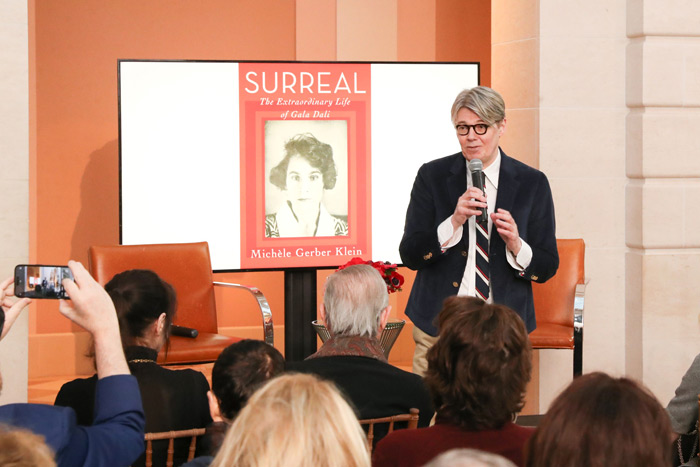
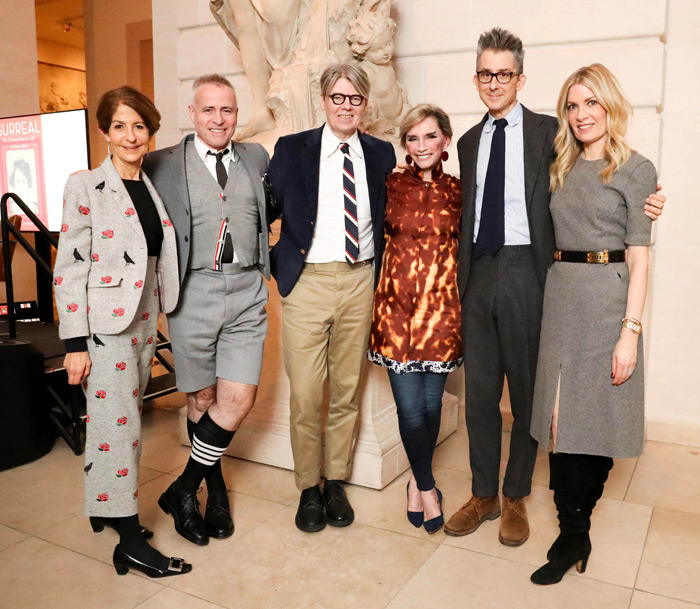
The New York launch of this new biography by Michèle attracted a diverse and creative crowd, reflecting the vibrant art and fashion scene of New York City. Andrew Bolton, Curator in Charge, The Costume Institute, opened the event and introduced the speakers, setting an enthusiastic tone for the evening. Among the attendees was renowned fashion designer Thom Browne, who accompanied Bolton.
As I arrived at the Metropolitan Museum of Art, I exchanged greetings with notable figures such as writer Amy Fine Collins, Harold Koda, the former curator in charge of the Costume Institute, alongside lawyer Alan Kornberg. Also present was Moses Berkson, whose grandmother, Eleanor Lambert, was a legendary fashion publicist and a founder of the Costume Institute, illustrating the event’s deep roots in fashion history.

Documentary filmmaker Lisa Immordino Vreeland attended with her husband, Alexander, who is the grandson of fashion icon Diana Vreeland. The guest list also included a notable array of writers and creatives, such as Sharon Hoge, Michael Gross and Barbara Hodes, as well as Steven A.L. Aronson and James Reginato. Other notables included photographer Dominique Nabokov, and Michèle’s literary agent at Calligraph, Eve McSweeney, publicist Jonathan Marder, Broadway’s William Ivey Long, actor Jim Dale, artist Michele Oka Doner, Joan Hardy Clark, Barbara Tober, Susan Gutfreund as well as Nancy Chilton, who played a key role in organizing the event, were among the distinguished attendees.


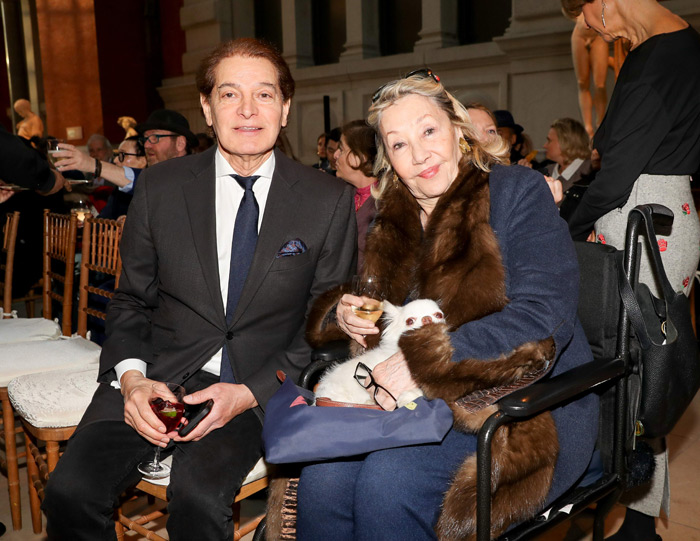


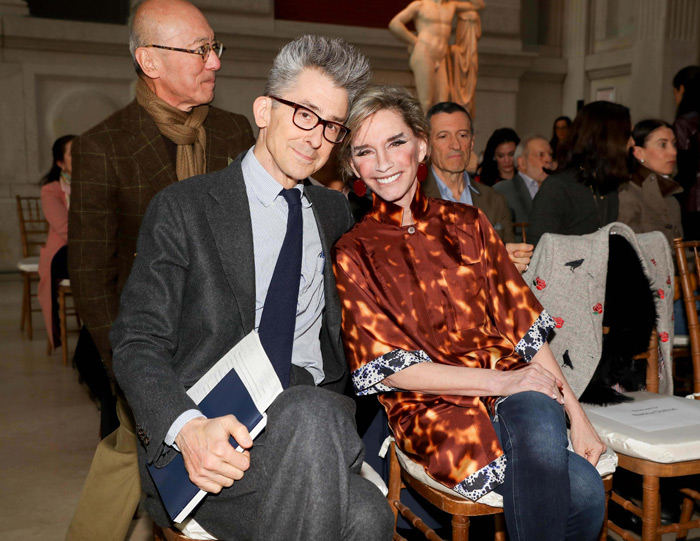
This impressive gathering not only celebrated the launch of Klein’s book but also emphasized the interconnectedness of art, fashion, and literature within New York’s cultural landscape. Like Michèle’s brilliant earlier biography of couturier Charles James, her Gala’s biography, which I am only half through reading, is mesmerizing.
Gala Dalí’s life story is a remarkable journey filled with passion, artistry, and transformation. Born Elena Ivanovna Diakonova into a cultured but financially struggling family in pre-revolutionary Russia, Gala’s early years and asperations were marked by the societal challenges for a woman of her class and modern sexuality.
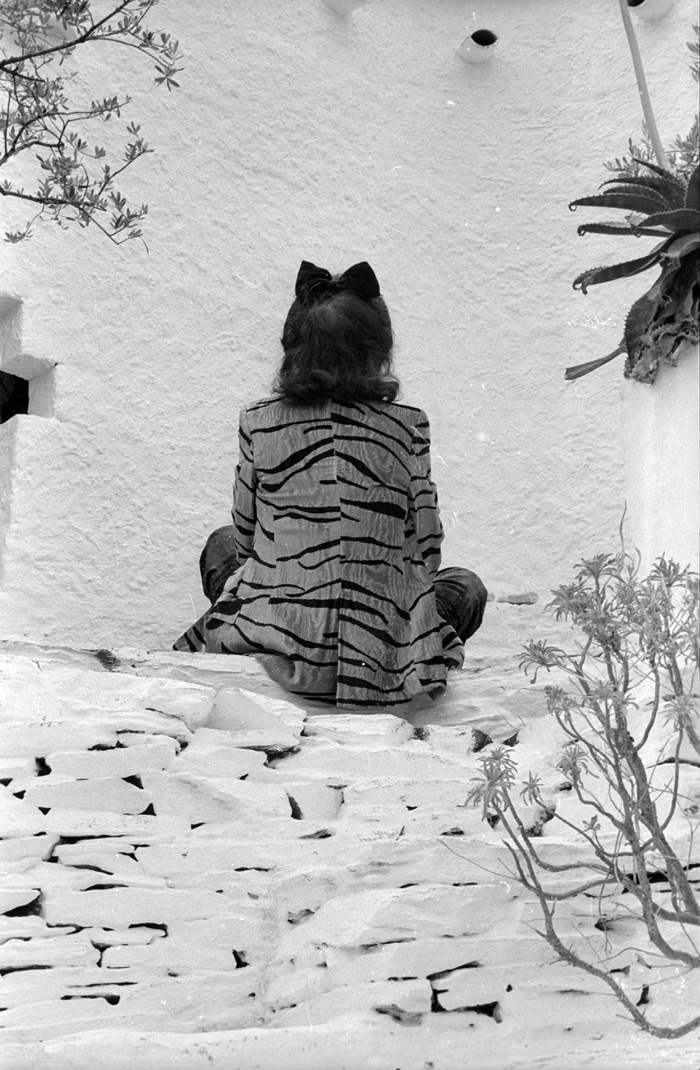
In 1912, in poor health, the teenage Gala’s family sent her to a sanatorium near Davos, Switzerland. It was there that she met the budding 17-year-old French poet Paul Éluard. Their instant attraction blossomed into a deep love, leading Éluard to rename her “Gala.” This name would become synonymous with her identity and the artistic circles she would later inhabit.
After a brief return to Russia, Gala made a transformational escape to Paris in 1916, where she married Éluard the following year. Together, they became prominent figures in the burgeoning Surrealist art movement, which was gaining momentum in post-World War I Europe.
Gala and Éluard were not just partners in life but also in art, Gala also inspiring of influential leaders of the Surrealist movement such as Louis Aragon, Max Ernst, and André Breton. Her contributions earned her the sobriquet “mother of Surrealism.”
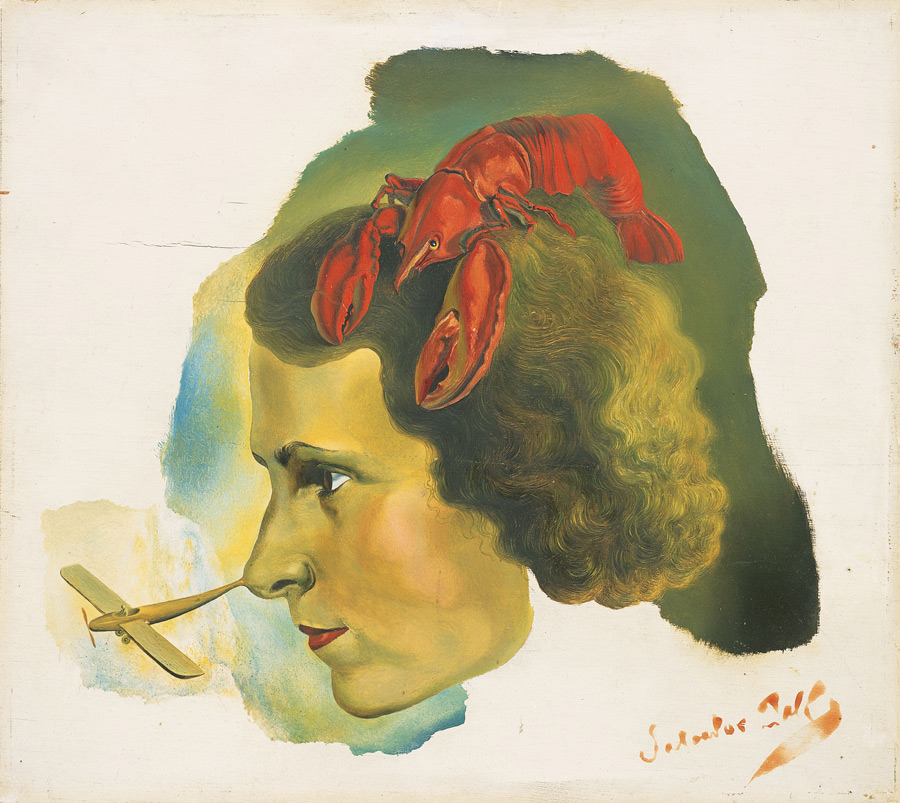
Gala’s involvement in the Surrealist movement was profound. She had a passionate affair with Max Ernst and, from 1924 to 1927, lived in a ménage à trois with Ernst and Éluard. This unconventional arrangement showcased her free-spirited nature and her deep engagement with the avant-garde artistic ideas of the time.
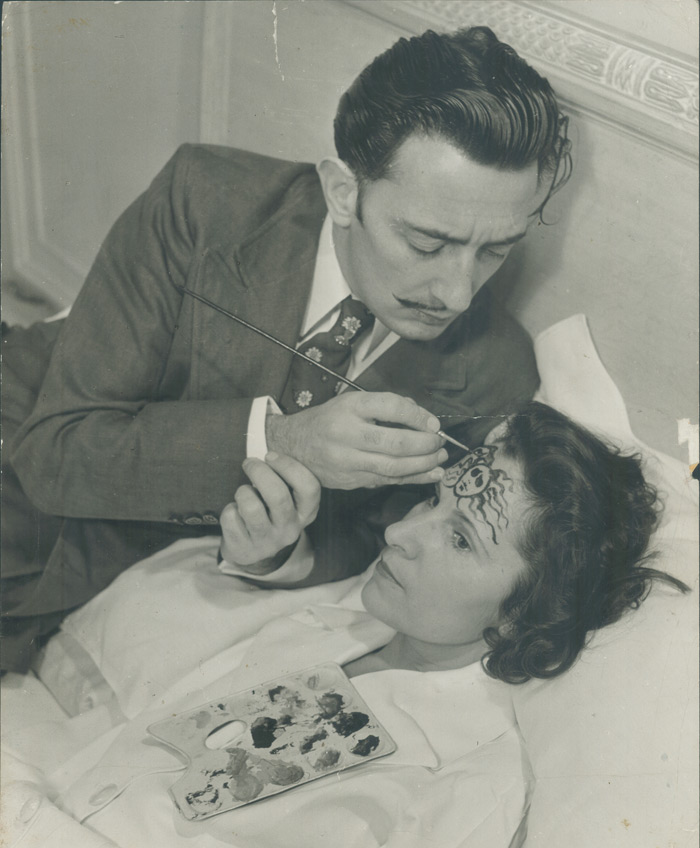
A pivotal moment in Gala’s life occurred during a visit to Spain with Éluard in 1929 when they met the younger surrealist Salvador Dalí. The connection between Gala and Dalí was instantaneous and intense, leading to a passionate love affair that would change the course of her life. In the wake of this new relationship, Gala divorced Éluard, fully embracing her role as Dalí’s muse and partner.
Gala Dalí’s story is one of resilience, creativity, and transformation, making her a compelling figure in the history of modern art. Her life not only reflects the tumultuous events of her time but also underscores her significant influence on the Surrealist movement and her enduring legacy alongside Salvador Dalí.
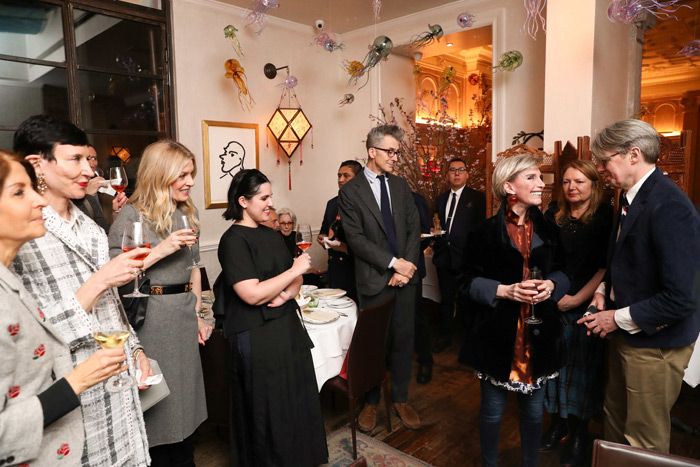
After the Met reception, many of the same cast of characters re-assembled up the street to Sistina for a delicious and lively four course dinner. In addition to many of those mentioned above, at the dinner were Brooke Hainey, Charles and Janis Cecil, Christopher DeLong, Connie Steensma, Darcy Rigas, Dwight Lee, Eric Johnson, John Rigas, Jonah Bokaer, Leigh Seippel, Richard Prins and Steff Yotka.


To order SURREAL: The Extraordinary Life of Gala Dalí, click here.