Fortunes come and go. Kingdoms come and go. But, heritage is forever. For the Savoys, descendants of the last King of Italy, the Crown is gone, but their history is legendary. Emerging in the 11th Century, they won battles, united Italy, and were crowned monarchs.
They became one of the most powerful families in all of Europe. Then, they were exiled.
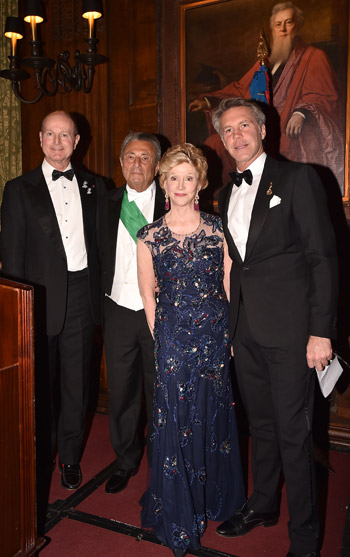
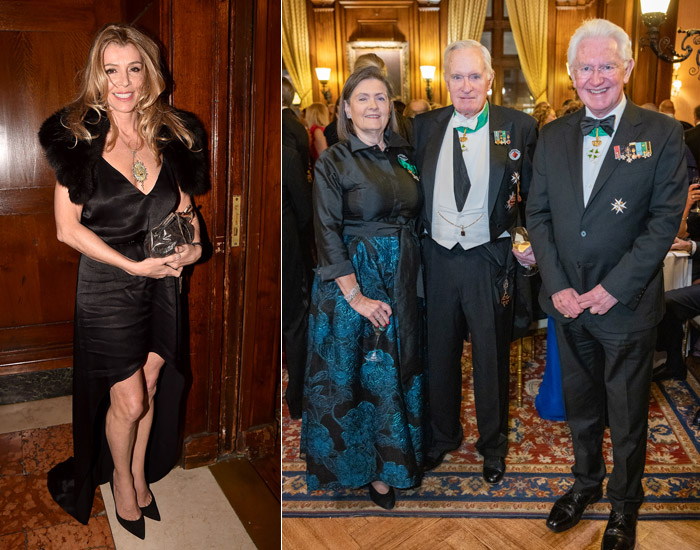
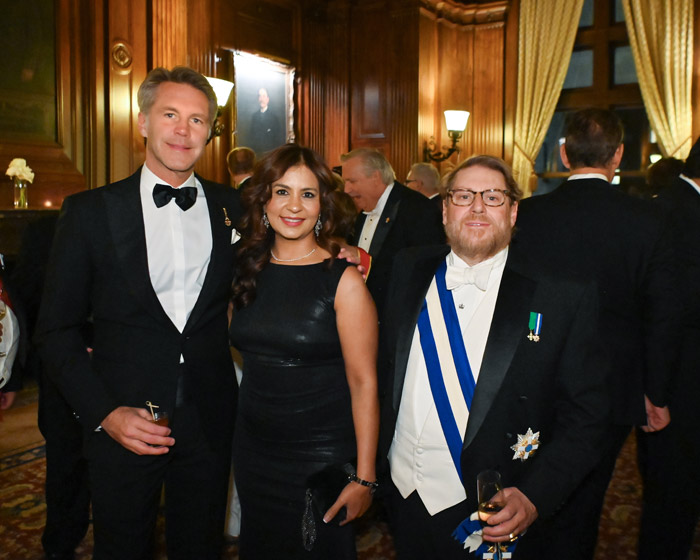
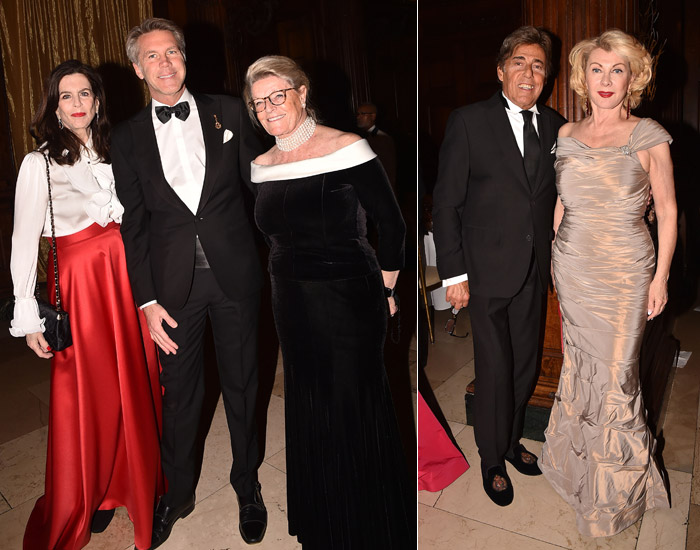
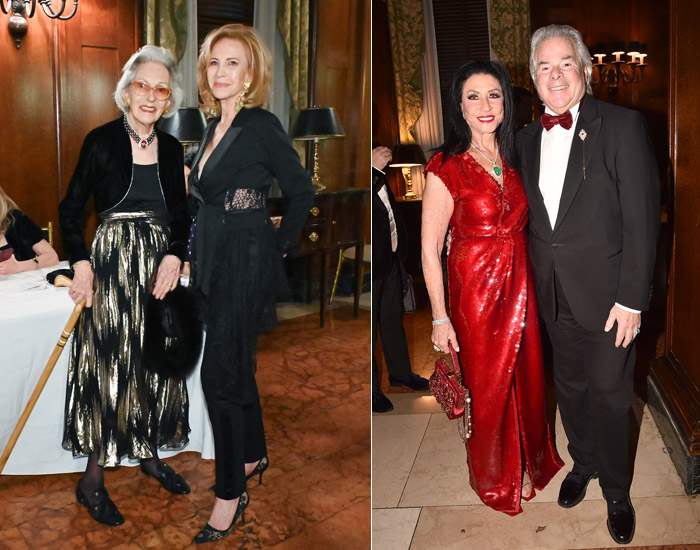
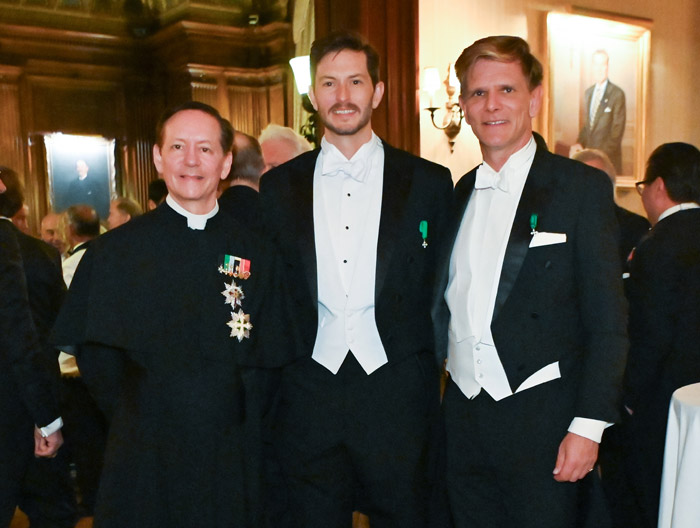
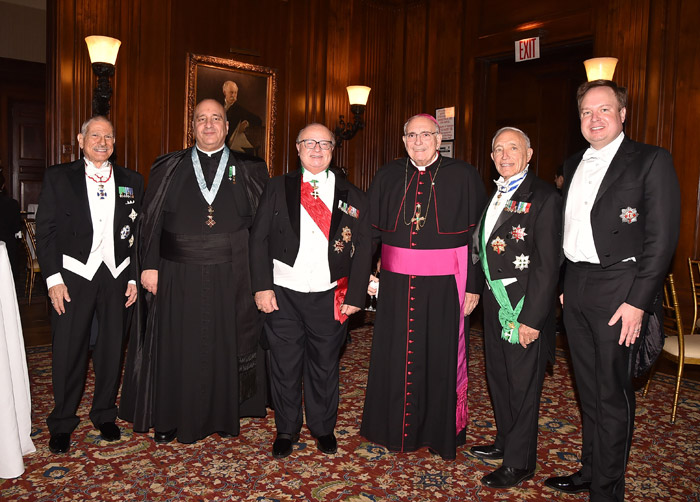
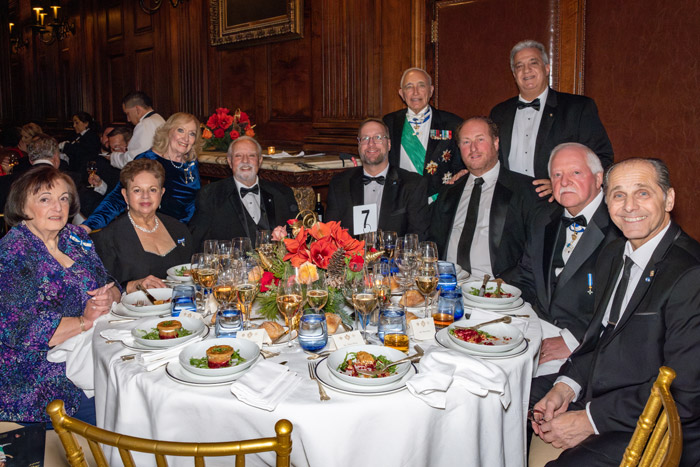
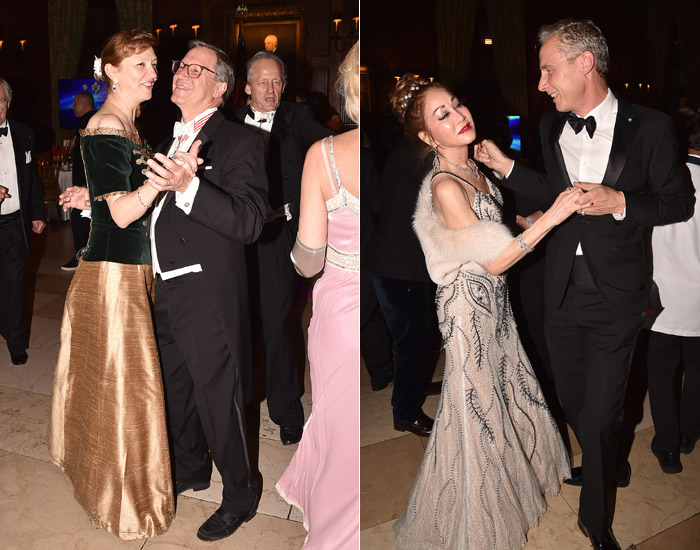
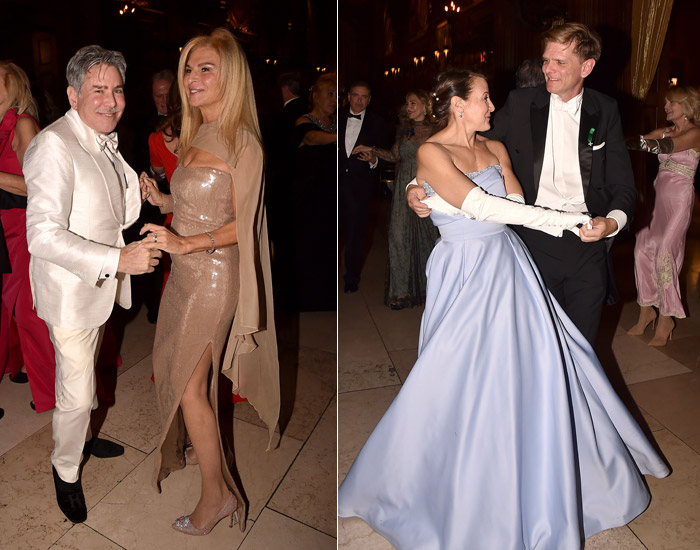
Their Knights remained. They, too, are legendary. Today’s Savoy Orders are an international force for charity. And their American Foundation’s white tie Ballo di Savoia was indeed fit for a king. Under the patronage of HRH Prince Emanuele Filiberto di Savoia, Duke of Savoy, Prince of Venice and Prince of Piedmont, the Royal Savoy Ball was chaired by his first cousin HRH Prince Dimitri of Yugoslavia, Grand Delegate for the United States. Both are grandchildren of King Umberto II, Italy’s last monarch.
The gala raised money for the Casita Maria Center for Arts and Education Young Artists Apprenticeship Program, honoring longtime Board Chair Jacqueline Weld Drake. Year after year, she and Prince Dimitri co-chair the Casita gala to help kids in the South Bronx. The American Foundation of Savoy Orders and Casita Maria share a special synchronicity, “Jackie” told them room. “Both of these institutions have been supportive of children, education and social well-being through the arts and sciences. Both offer scholarships and opportunities for youth and families to advance and prosper.”
The original 11th Century Savoy order, Saint Maurice, were Hospitallers (humanitarians and Crusaders). They merged with the House of Lazarus in 1572, powering the Savoys forward, until, in 1861, the great-great-great grandfather of Emanuele and Dimitri unified Italy and was crowned King. Today’s expanded chivalrous Savoy Order was bequeathed by the Pope in the 19th Century.
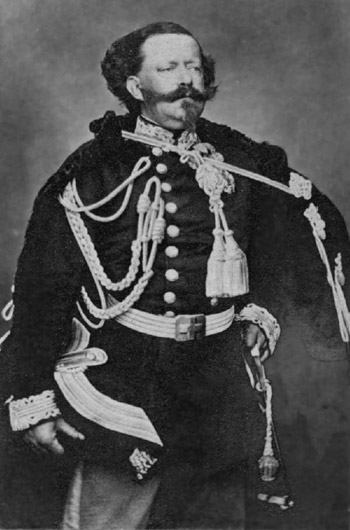
The Savoy rule lasted until 1946, when, Italy, broken by two World Wars, voted the monarchy out (by a small margin), seized their property and exiled male heirs. In 2002, Vittorio Emanuele, the next in line, renounced his claim to the throne and was finally allowed to return with son Emanuele.
“When I was small. I did not really comprehend the role of the family,” Emanuele told me. “But slowly, I began to understand: we had an important name and because of it, I could not go back to our country.” He became a businessman, even, when he first returned, a TV star.
Today, there is a Prince of Venice food brand in LA, a soccer team and a RoyaLand holding company for an immersive, royalty-themed experience powered by AI. This year, he assumed the mantle of Grandmaster of the Savoy Order upon the death of his father Prince Vittorio Emanuele. “The work we do with the dynastic orders,” he told me, “helping people in need all over the world, is my life’s purpose.”
It was his father’s for 52 years. “He did an incredible job developing all the Orders internationally” Emanuele told me. “He took it very seriously and kept me close.
“He started taking me with him when I was ten. I did my first public speech at 13. Now, I bring my daughter to some events. But, I don’t want to push her. Yes, we have a big heritage. But first, she needs to understand where she wants to go in life, to study, to be a normal teenager, to grow with good values. Still, she follows what we’re doing and suggests charities to support.”
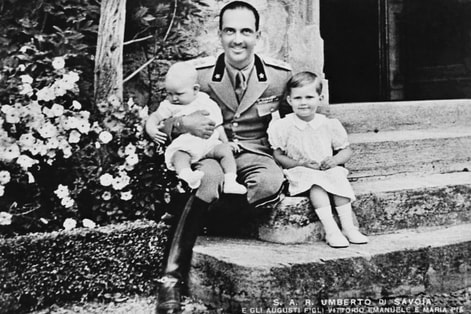
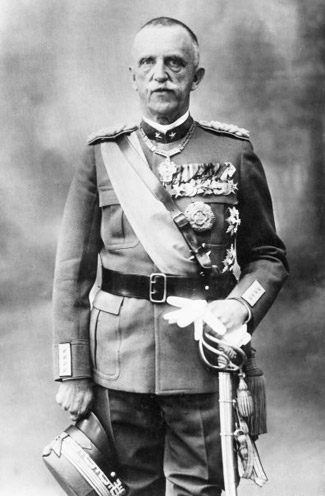
Good values are also paramount to Prince Dimitri. As the oldest grandchild of King Umberto II, Dimitri learned from his family. Royals, his elegant maternal grandmother Queen Marie-José told him, were to be role models, not celebrities. Live morally and spiritually, support the arts, care for the needy. “My parents and grandparents always said it was our duty to help people,” he told me. “So, it is deep in my nature.”
His family’s first days in exile were difficult. “My grandfather, who once had 500 castles, left with the shirt on his back,” Dimitri told me. “They ended up in Portugal in a horrible house with hardly any food. My mother had never worked. They really were not prepared for the modern world. Then, miraculously, the Bank of England discovered that the first King of Italy took out a life insurance policy for his descendants that had been forgotten. It was an enormous amount of money.” The new Italian government tried to take that as well, but lost in court.
Born in France only 12 years after the war, Dimitri said, “My twin brother and I knew who we were, but, we had a normal life. We heard how people addressed my parents and we had family still in power in Luxembourg, Spain, Belgium. My grandmother Marie was the daughter of the King of Belgium so they were all cousins on both sides. My two grandmothers were cousins of the Queen.”
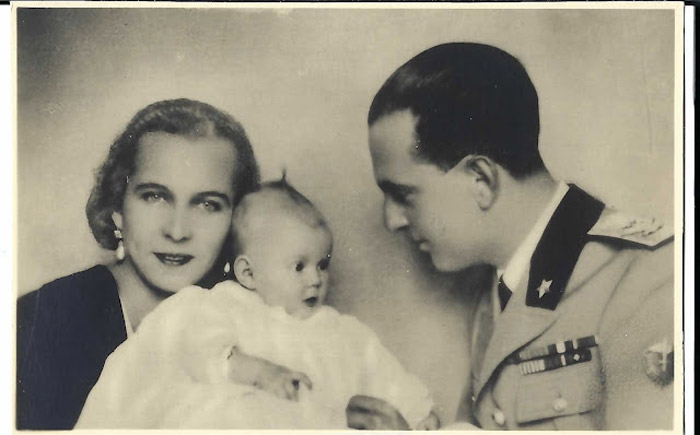
His mother, Princess Maria Pia of Savoy, began her charitable work as a pre-teen. Her father brought 40 children, orphaned and maimed from the war, to live with them at the Quirinal. He charged their care to his own children, Dimitri’s mother and Emanuele’s father.
“They arrived bloody and unwashed,” Dmitri recalled. “My mother nearly fainted when she first saw them. She developed a special bond with a little friend called Vittorio. The Nazi’s had shot him in his mother’s arms, killing her and blinding him. After the war, she lost touch. One day, my mother saw his story in Life Magazine. He had made it to America, learned to read and write in braille, married an Italian girl and started a family. Reading it, my mother dropped to her knees. It was the first time in my life I saw her cry.”
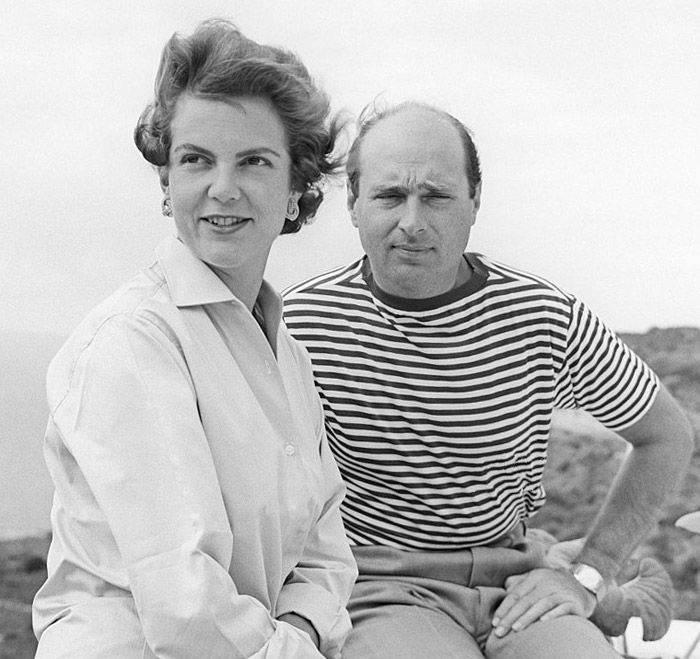
Prince Dimitri’s charitable work began early as well. “When I was 15 my twin brother and I spent our free Wednesday afternoons at Saint Vincent of Paul’s boarding school visiting an elderly woman without means who lived alone in the middle of the forest. She had sunk into poverty after her husband died. We would bring her food and listen to her stories.
“Then, I went to law school. I moved to America in 1981 when France turned socialist. The Soviet Union built an embassy with 6000 people in Paris, so we thought that was the beginning of the end. I vowed: not again in my life. My grandparents in Yugoslavia lost their family in Russia (the Romanovs). Yugoslavia had become communist.”
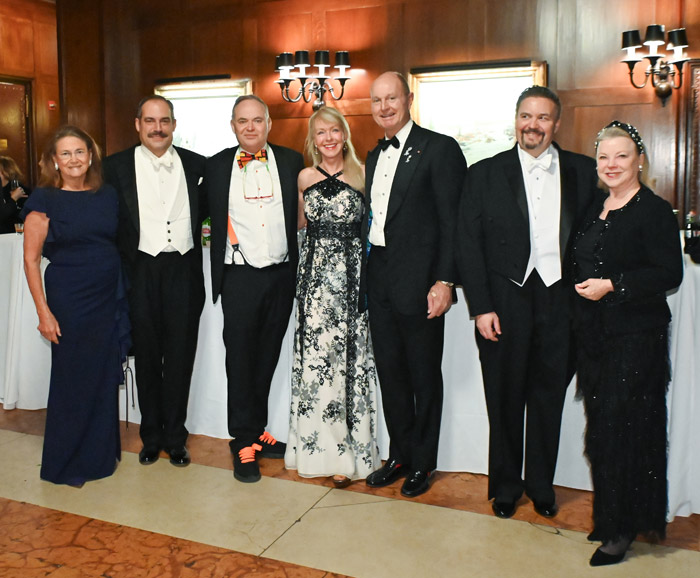
He became a gemologist. Jewelry was also in his blood. The priceless Savoy royal jewels remain in Italy to this day, confiscated and in contention. In America, Prince Dimitri became Senior Vice President of Jewelry at Sotheby’s (where he became close friends with Carole Bellidora Westfall who served as the Event Development and PR) and later head of Jewelry at Phillips de Pury & Luxembourg auction houses. He began designing jewelry in 1999 and formed his own company in 2007.
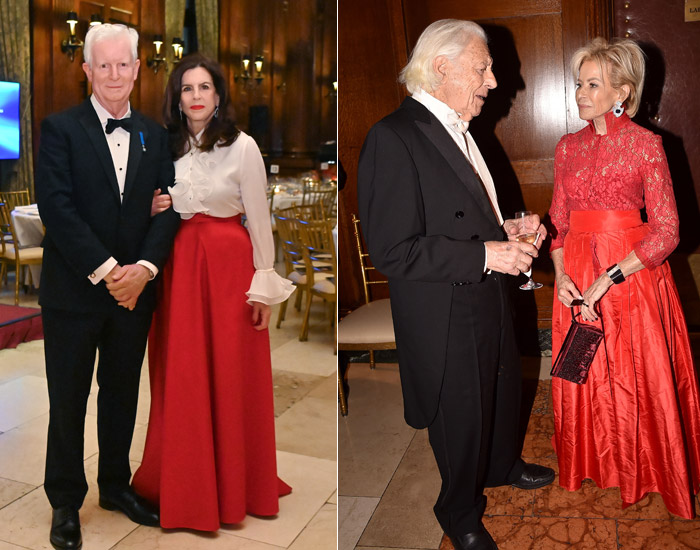
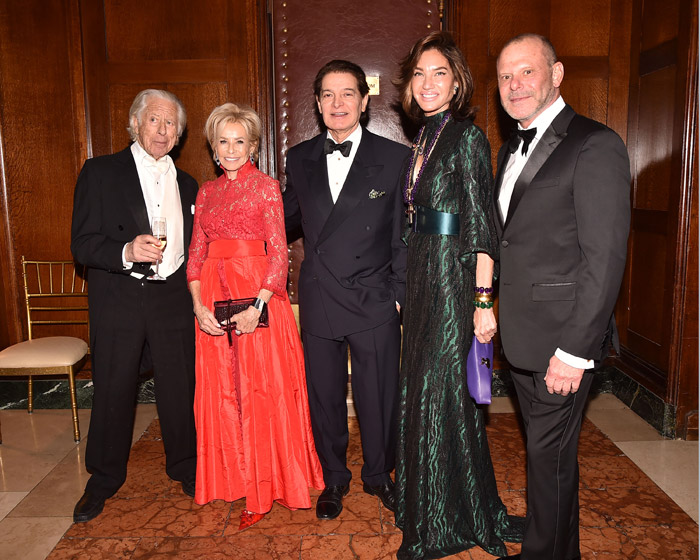
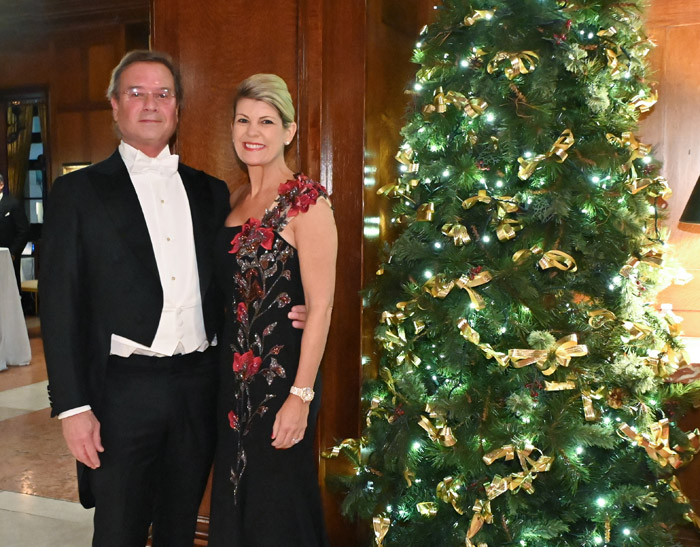
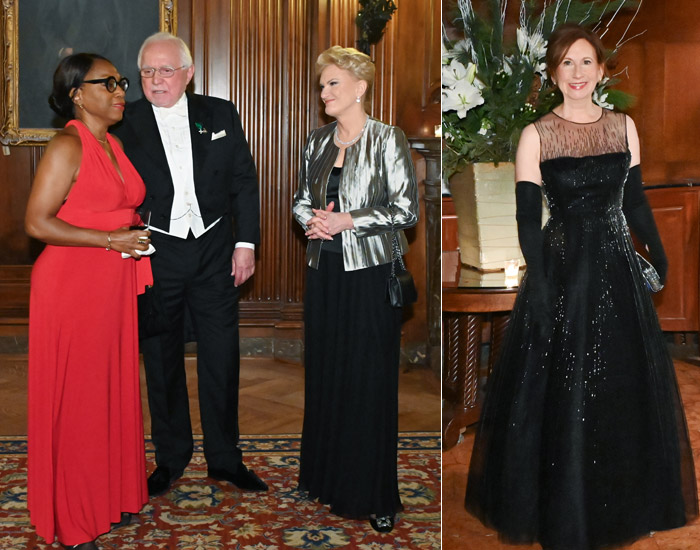
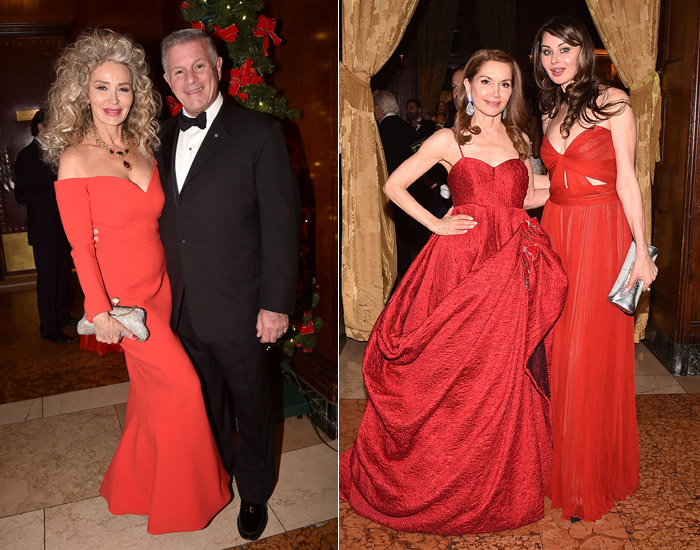
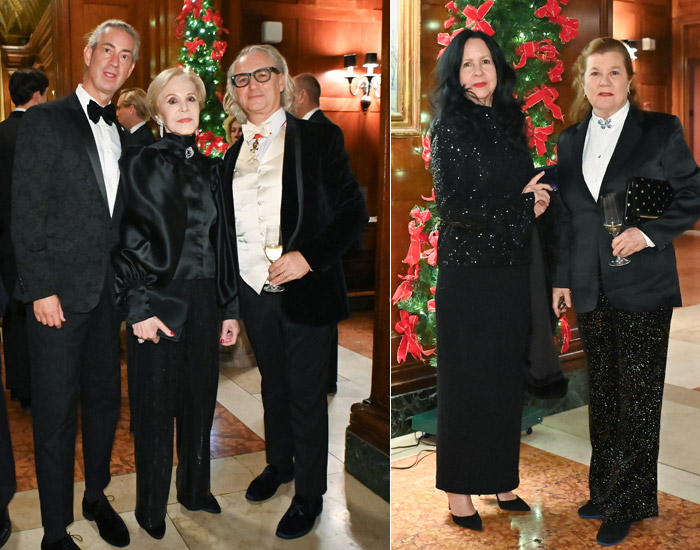
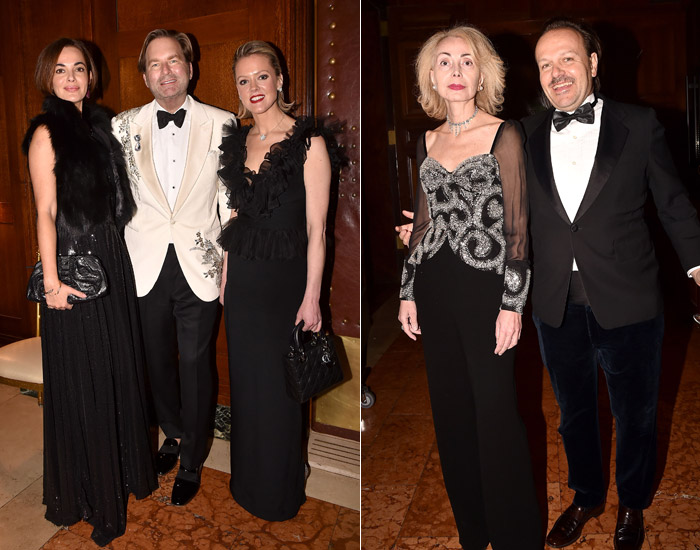
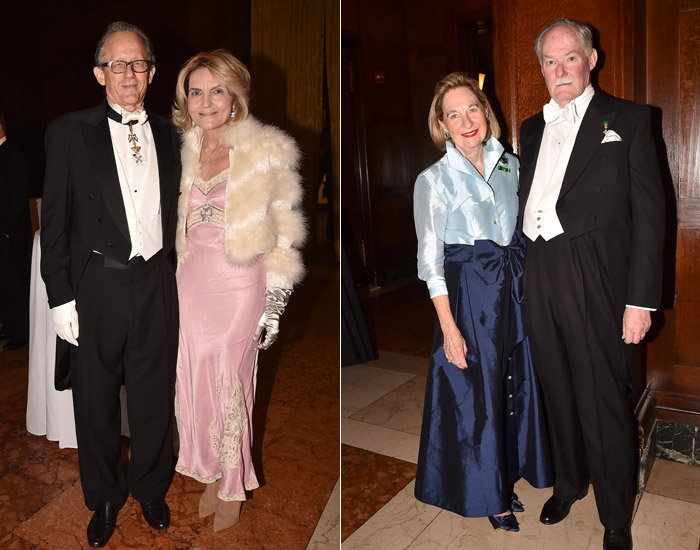
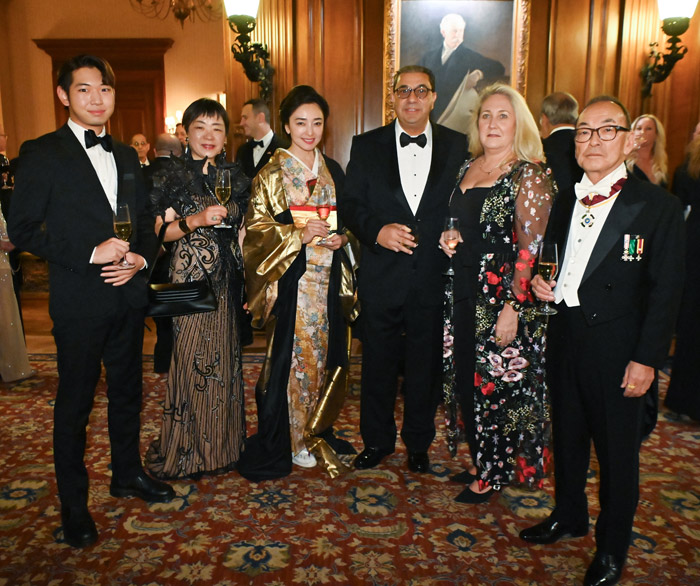
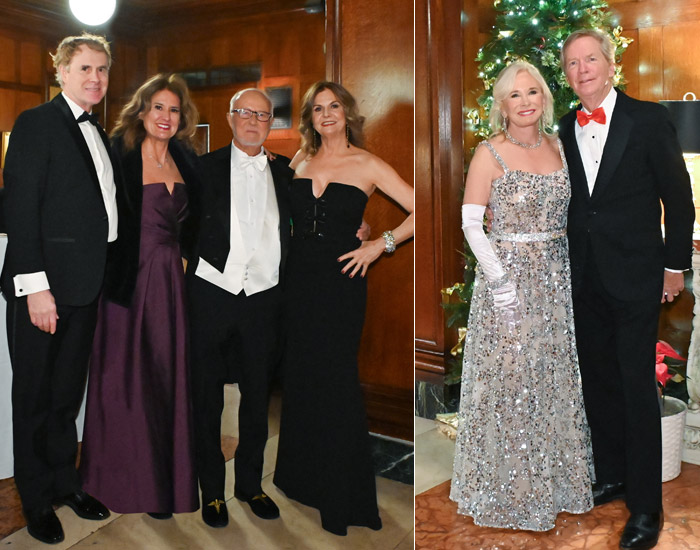
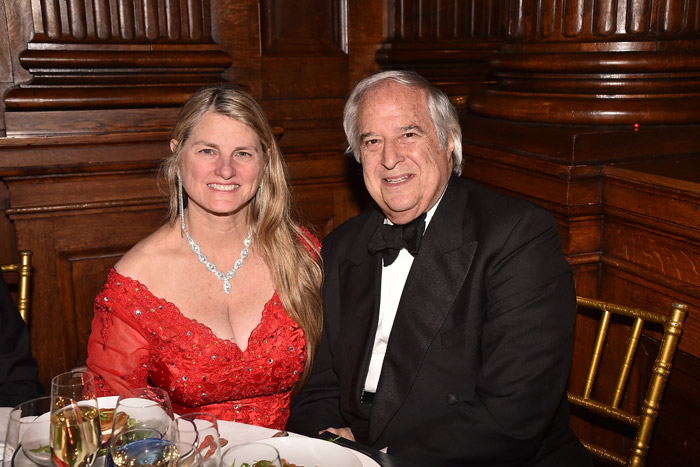
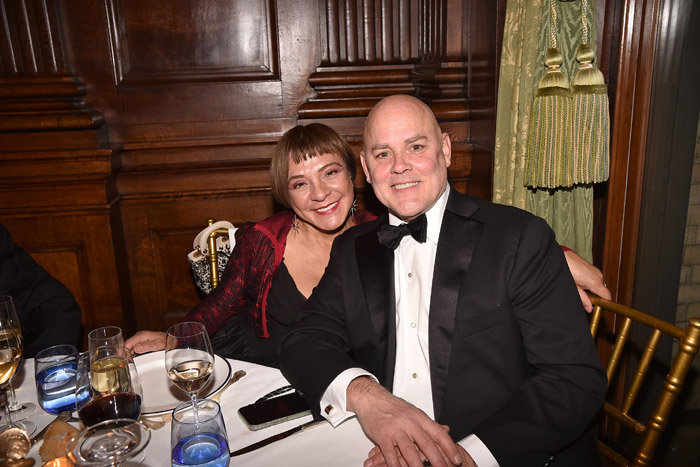
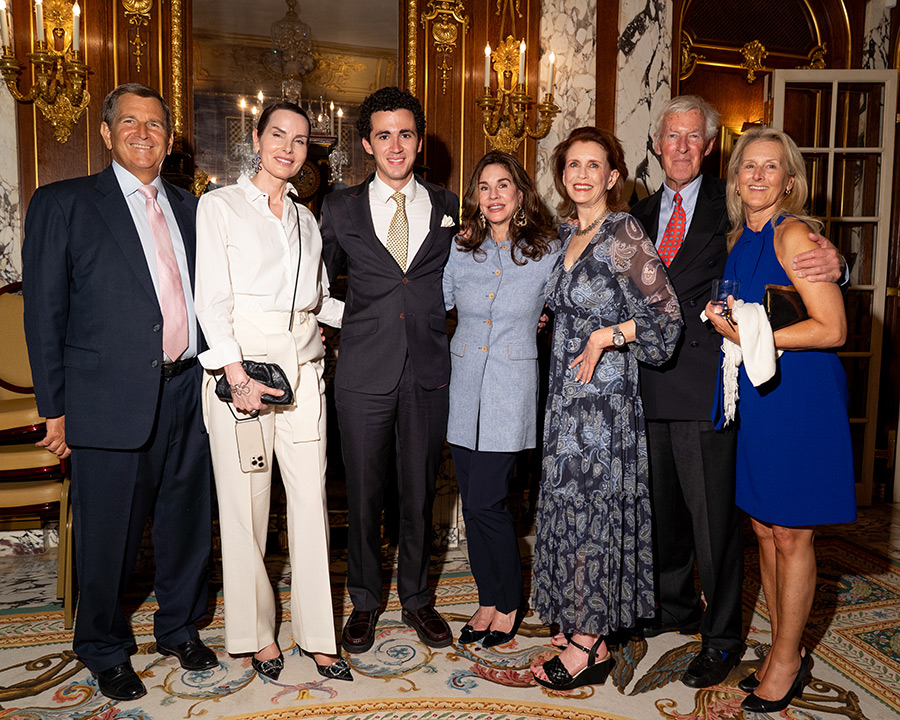
Guests at the Royal Savoy Ball included Ball Chairman Prince Dimitri of Yugoslavia; the distinguished Grand Patrons William Martini, Katsutoshi Tanaka and Barbara Tober; Dinner Committee Vice Chairs Vivian Cardia, Maria Fishel, Janice Pecora, Jean Shafiroff and Ann Van Ness; Patrons Vivian Cardia with Frank and Barbara Desiderio; Benefactors James Agresti, Frank Craparo, Daniel McClory and Daniel Peña; Grand Sponsors Anthony Cipriano, Lucia Hwong Gordon, Penny Grant MD, Thomas Leslie, Christopher Page and Sana Sabbach; Sponsors Yaz and Valentin Hernandez; and Dinner Committee Anna Armstrong, Sharon Bush, Anthony J. Cipriano, Patricia Cossutta, Greta Fisdell, Lee Fryd, John Laurent J. Gelati, Pia Miller Getty, David Hayes, Nancy Indelicato, Margo Langenberg, Rev. Michael Lankford-Stokes, Joseph T. Lucia, Ruth Miller, Mar Morosse, Agnes Perenyi, Smitha Ramchandani, Sana Sabbagh, Mary Snow, Richard and Donna Soloway, Kimberley Tambascia, Janine Turner, Larissa A. Van Duser and Carole Bellidora Westfall. Alex Donner and his orchestra kept guests dancing until midnight.
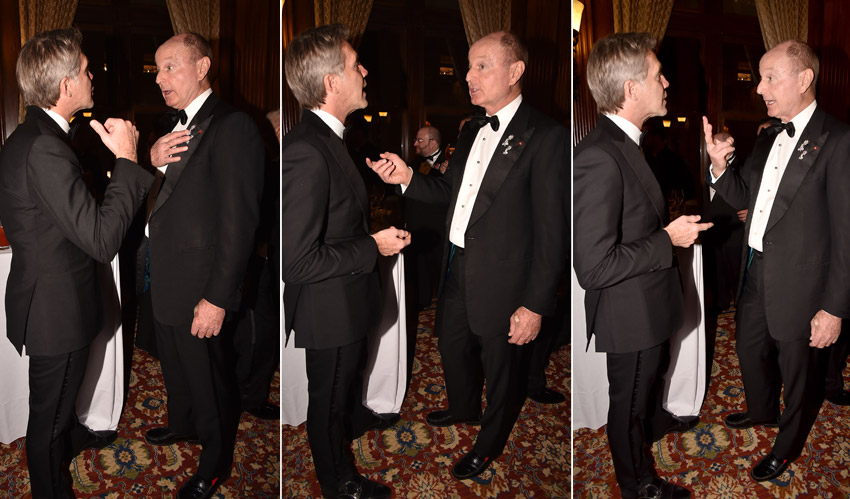
Emanuele is gratified to see his cousin, H.R.H. Cav. Gr. Cr. Prince Dimitri of Yugoslavia as the American Delegate of the Savoy Orders. “I was 13 and there the day Emanuele was born,” Dimitri told me. “I remember him before he could walk. He was so adorable. It was so wonderful to have a baby cousin like that!”
For more information, please visit: www.savoyfoundation-usa.org